Why is Android Development Important?
Android development has a significant and vital position in the extensive landscape of technology for many valid reasons. The fact that there is massive use of Android devices globally makes it one of the primary and critical areas. Additionally, flexibility that Android development offers to developers is another critical factor contributing to its importance. Here are some of the reasons that show why Android development is important:
1. Massive Global User Base
Android dominates the mobile market: With billions of active devices worldwide, Android powers the majority of smartphones, tablets, smart TVs, and even vehicles. This broad user base provides developers with an opportunity to reach a vast audience, whether for a business app, game, or service.
2. Open-Source Platform
Customizable and Accessible: Android is open-source, which means developers have access to its source code and can customize it to meet specific needs. This openness fosters innovation, collaboration, and the ability to modify the operating system for specific hardware or use cases, making it highly flexible.
3. Diverse Range of Devices
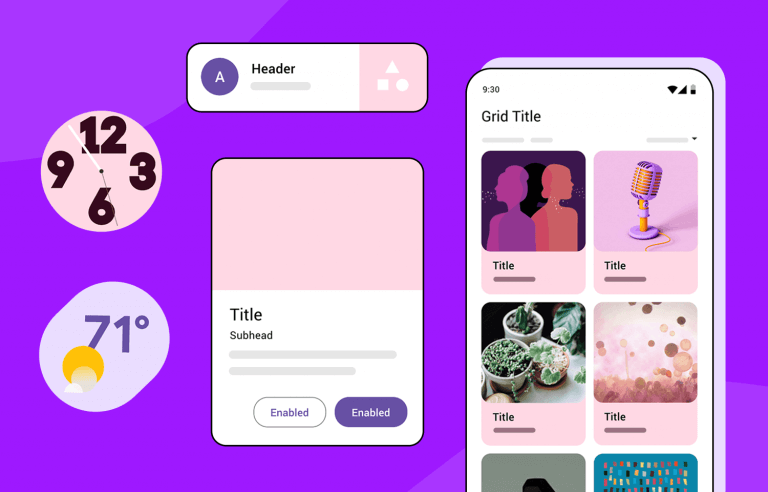
Multiple Platforms: Android is not limited to just phones. It runs on a wide variety of devices, including wearables (smartwatches), TVs (Android TV), cars (Android Auto), and even appliances. This allows developers to build apps that work across multiple platforms and devices, increasing their reach and impact.
4. Growing Market for Apps
Massive App Ecosystem: The Google Play Store is home to millions of apps, offering significant opportunities for developers to create apps that solve real-world problems, entertain, or enhance productivity. With the increasing demand for mobile apps, Android development has become a thriving industry.
5. Cost-Effective Development
Lower Entry Barriers: Compared to other platforms like iOS, Android development tends to be more cost-effective, especially for developers in regions with lower development costs. This accessibility allows a wider range of developers, from small startups to large companies, to build and distribute their apps.
6. Support from Google
Tools and Resources: Google provides extensive support for Android development, offering tools like Android Studio, Firebase for backend services, Google Play Console, and a wealth of documentation and APIs. This makes it easier for developers to create high-quality apps with robust features and excellent performance.
7. Opportunities for Innovation
Constant Evolution: The Android operating system is regularly updated with new features, APIs, and capabilities, which provides developers with fresh opportunities to build innovative and cutting-edge apps. From AI integration to IoT (Internet of Things) and augmented reality, Android's adaptability drives technological advancements.
8. High Revenue Potential
Monetization: Developers have multiple ways to monetize Android apps, from direct sales and in-app purchases to advertising and subscriptions. The vast user base and variety of monetization options create ample revenue-generating opportunities for developers and businesses.
9. Customization and Personalization
User Experience: Android gives developers the freedom to create unique user experiences. Customizations in the design, features, and functionality of apps make it possible to cater to different audience preferences, industries, and use cases, providing flexibility and personalization.



No comments:
Post a Comment